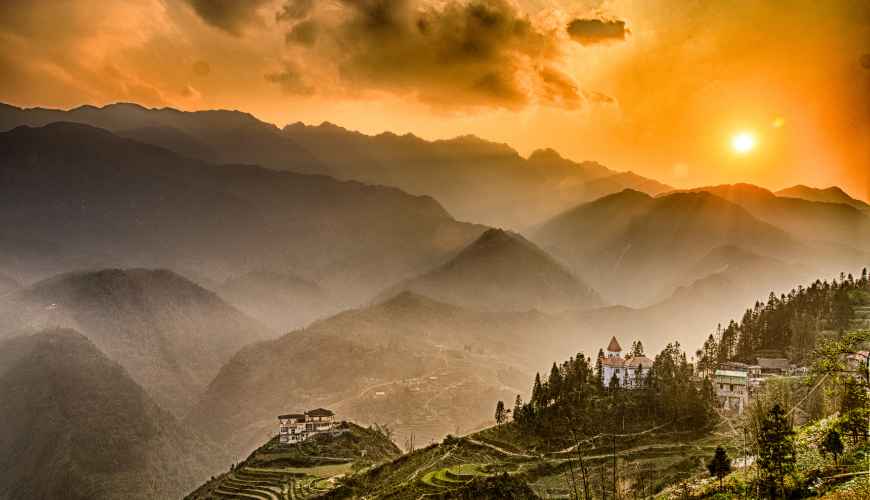
Vietnam is a country of diverse landscapes, rich culture, and delicious cuisine. With its long coastline, lush mountains, and bustling cities, it offers something for every type of traveler. However, the best time to visit Vietnam can vary depending on what you want to experience. In this blog, we’ll explore the seasonal travel tips to help you plan your perfect trip to this enchanting Southeast Asian country.
– Spring (March to April)
Spring is an excellent time to visit Vietnam, particularly the northern regions like Hanoi and Halong Bay. During these months, the weather is mild and pleasant, with temperatures ranging from 15°C to 25°C (59°F to 77°F). The countryside is in full bloom, making it a picturesque time to explore the rice terraces in Sapa or the vibrant streets of Hanoi.
Travel Tips:
- Pack light layers: The weather can be unpredictable, so bring a mix of both warm and cool clothing.
- Book in advance: Spring is a popular time for tourists, so make sure to book your accommodations and tours early.
- Explore the outdoors: Take advantage of the pleasant weather by hiking in Sapa or cruising in Halong Bay.
– Summer (May to August)
Summer in Vietnam is hot and humid, with temperatures often exceeding 30°C (86°F). The central and southern regions, including cities like Hue, Danang, and Ho Chi Minh City, experience heavy rainfall due to the monsoon season. However, this doesn’t mean you should avoid Vietnam during these months. The coastal areas, such as Nha Trang and Phu Quoc, offer beautiful beaches and the chance to enjoy water activities.
Travel Tips:
- Stay hydrated: The heat can be intense, so drink plenty of water and carry a reusable water bottle.
- Protect yourself from the sun: Wear sunscreen, a hat, and sunglasses to shield yourself from the strong UV rays.
- Embrace the rain: Pack a lightweight rain jacket or poncho and a waterproof bag for your belongings.
– Autumn (September to November)
Autumn is arguably the best time to visit Vietnam, especially in the north and central regions. The weather is cooler and less humid, with temperatures ranging from 20°C to 28°C (68°F to 82°F). The monsoon season starts to taper off, making it an ideal time to explore cities like Hanoi, Hue, and Hoi An. The countryside is lush and green after the rains, offering stunning landscapes and fewer crowds.
Travel Tips:
- Pack comfortable walking shoes: Autumn is perfect for exploring historical sites and nature trails.
- Experience local festivals: Autumn is a festive time in Vietnam, with events like the Mid-Autumn Festival offering a glimpse into the local culture.
- Enjoy outdoor activities: Consider cycling through the countryside or taking a boat trip in the Mekong Delta.
– Winter (December to February)
Winter in Vietnam varies significantly between the north and south. The northern regions, including Hanoi and Sapa, can get quite cold, with temperatures dropping to 10°C (50°F) or lower. In contrast, the southern regions, such as Ho Chi Minh City and the Mekong Delta, remain warm and dry, with temperatures ranging from 25°C to 30°C (77°F to 86°F). This season is ideal for exploring the southern parts of the country and enjoying the vibrant Tet (Vietnamese New Year) celebrations.
Travel Tips:
- Dress in layers: Northern Vietnam can be chilly, so bring warm clothing, especially if you plan to visit the mountains.
- Plan for Tet: Tet is the most important holiday in Vietnam, and it usually takes place in late January or early February. Many businesses close, and travel can be hectic, so plan accordingly.
- Visit the south: Take advantage of the warm and dry weather in the south to explore Ho Chi Minh City, the Mekong Delta, and the beautiful beaches of Phu Quoc.