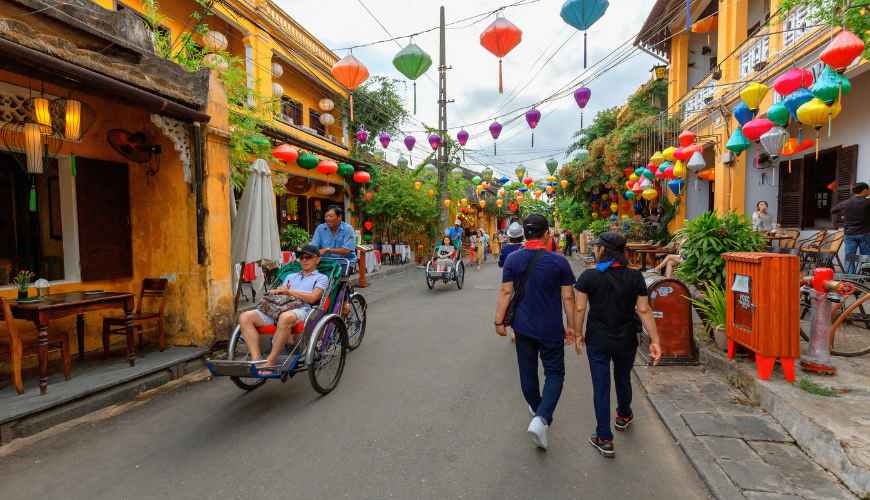
Vietnam offers a rich tapestry of cultural experiences that showcase its vibrant history and diverse traditions. From the bustling streets of Hanoi to the tranquil landscapes of the Mekong Delta, Vietnam is a country where ancient customs blend seamlessly with modern life. Visitors can explore historical sites such as the Imperial City of Hue or the ancient town of Hoi An, both UNESCO World Heritage Sites.
Engage with the local culture by attending a traditional water puppet show or participating in a cooking class to learn the art of Vietnamese cuisine, renowned for its fresh ingredients and bold flavors. The country’s ethnic diversity is reflected in its numerous festivals, such as Tet Nguyen Dan (Lunar New Year) and Mid-Autumn Festival, where you can witness vibrant parades and ceremonies. Whether it’s the serene beauty of a Buddhist pagoda or the lively energy of a local market, Vietnam offers unforgettable cultural experiences for every traveler.
The Rich History of Vietnam: A Journey through Time
Vietnam’s history is a tapestry woven with resilience, culture, and transformation. Nestled in Southeast Asia, this nation boasts a rich past that dates back thousands of years. From the ancient Dong Son civilization, known for its bronze drum culture, to the powerful dynasties like the Ly and Tran, Vietnam has long been a land of innovation and influence.
In the 19th century, Vietnam fell under French colonial rule, which significantly shaped its cultural and architectural landscapes. The struggle for independence led to the First Indochina War and ultimately, the Vietnam War, which left indelible marks on the global stage.
Following reunification in 1975, Vietnam embarked on a journey of economic reform through “Doi Moi,” transforming into a rapidly developing nation. Today, Vietnam is celebrated for its vibrant culture, stunning landscapes, and enduring spirit, a testament to its rich and diverse history.
Exploring Vietnam’s Ancient Temples and Pagodas
Vietnam, a country steeped in rich history and culture, is home to a mesmerizing array of ancient temples and pagodas. These architectural marvels offer a window into Vietnam’s spiritual and cultural heritage, showcasing a blend of indigenous practices and foreign influences from China, India, and beyond. Notable sites include the Perfume Pagoda, nestled in the lush hills of northern Vietnam, and the My Son Sanctuary, a UNESCO World Heritage Site featuring Hindu temples dating back to the Champa Kingdom. Additionally, the One Pillar Pagoda in Hanoi, with its unique lotus design, and the Thien Mu Pagoda in Hue, standing on a picturesque hill overlooking the Perfume River, draw visitors with their historical significance and serene beauty. These sacred sites not only reflect Vietnam’s religious diversity but also offer a tranquil escape, inviting exploration and contemplation amidst their ancient walls and serene surroundings.
Vietnamese Festivals You Must Experience
Vietnam is a country rich in cultural traditions and vibrant festivals that offer an immersive glimpse into its history and heritage. One of the most celebrated festivals is Tết Nguyên Đán or the Lunar New Year. This festival marks the arrival of spring and is characterized by colorful decorations, traditional foods, and family gatherings. Another essential festival is the Mid-Autumn Festival, known for its enchanting lion dances, mooncakes, and lantern parades, celebrating the harvest and family unity.
Hue Festival is another must-see event, showcasing the cultural diversity of Vietnam through music, dance, and art performances. Additionally, the Perfume Pagoda Festival is a spiritual journey attracting thousands of pilgrims who travel by boat to the sacred site to pray for good fortune. These festivals not only highlight Vietnam’s rich traditions but also provide an opportunity for visitors to engage with the local culture in a truly meaningful way.
The Art of Vietnamese Water Puppetry
Vietnamese water puppetry, known as “múa rối nước,” is a unique and ancient art form that dates back to the 11th century. Originating in the rice paddies of northern Vietnam, this traditional performance art is celebrated for its vibrant storytelling and cultural significance.
The performances take place on a water stage, where skilled puppeteers stand waist-deep behind a bamboo screen, manipulating intricately carved wooden puppets using long rods and strings. The water not only serves as the stage but also creates an enchanting visual effect, enhancing the illusion that the puppets are moving independently.
Narratives often draw from Vietnamese folklore, legends, and daily life, accompanied by traditional music played on instruments like drums, cymbals, and bamboo flutes. This combination of puppetry, water, and music offers an immersive experience that captivates audiences of all ages, preserving Vietnamese heritage through a mesmerizing blend of art and entertainment.
A Guide to Vietnam’s Traditional Crafts and Handicrafts
Vietnam is a country with a rich cultural heritage, and its traditional crafts and handicrafts are a testament to this legacy. These crafts reflect the country’s history, natural resources, and the artistic skills of its people. Among the most notable are silk weaving, renowned for its vibrant colors and intricate patterns, and ceramics, which showcase exquisite designs passed down through generations. Vietnam’s lacquerware is another celebrated craft, famous for its meticulous creation process and glossy finish.
Additionally, wood carving and bronze casting highlight the artisans’ attention to detail and creativity. Embroidery often depicts stunning scenes from nature and Vietnamese folklore, capturing the spirit and beauty of the culture. These crafts are not only significant for their aesthetic value but also for their role in preserving Vietnam’s cultural identity and providing livelihoods for many artisans. Exploring these traditional crafts offers insight into Vietnam’s rich and diverse cultural tapestry.