Planning a trip to Vietnam from India can be an exciting yet daunting task, especially for first-time travelers. With its rich culture, stunning landscapes, and delicious cuisine, Vietnam offers a plethora of experiences that cater to all kinds of travelers. This comprehensive guide will help you navigate the essentials of planning your Vietnam adventure, ensuring a smooth and memorable journey.
1. Visa Requirements
One of the first steps in planning your trip is understanding the visa requirements. Indian nationals need a visa to enter Vietnam. You can apply for an e-visa online, which is convenient and can be done from the comfort of your home. The e-visa is valid for 30 days and allows for a single entry. Make sure to apply at least a week in advance to avoid any last-minute hassles.
2. Best Time to Visit
Vietnam’s climate varies significantly from north to south, so the best time to visit depends on where you plan to go. Generally, the best time to visit the northern regions, including Hanoi and Ha Long Bay, is from October to April when the weather is cooler and drier. The central region, including Hoi An and Da Nang, is best visited from February to May. For the southern areas like Ho Chi Minh City and the Mekong Delta, the dry season from December to April is ideal.
3. Flights and Transportation
Several airlines operate direct and connecting flights from major Indian cities like Delhi, Mumbai, and Bangalore to Vietnam’s key airports, including Noi Bai International Airport in Hanoi and Tan Son Nhat International Airport in Ho Chi Minh City. It’s advisable to book your flights well in advance to get the best deals.
Once in Vietnam, you can use domestic flights, trains, buses, and taxis to get around. Vietnam’s train system is a comfortable and scenic way to travel long distances, while buses are economical and cover extensive routes.
4. Accommodation
Vietnam offers a wide range of accommodation options, from budget hostels to luxury resorts. For a mid-range budget, you can find comfortable hotels and guesthouses that offer excellent amenities and services. Websites like Booking.com and Airbnb provide numerous options, allowing you to read reviews and compare prices before making a reservation.
5. Must-Visit Destinations
- Hanoi: The capital city is known for its centuries-old architecture, bustling street markets, and vibrant culture. Don’t miss the Hoan Kiem Lake, the Old Quarter, and the Ho Chi Minh Mausoleum.
- Ha Long Bay: Famous for its emerald waters and thousands of limestone islands, Ha Long Bay is a UNESCO World Heritage Site. Consider taking an overnight cruise to fully appreciate its beauty.
- Hoi An: This charming town is known for its well-preserved Ancient Town, lantern-lit streets, and delicious cuisine. It’s also a great place for tailor-made clothing.
- Ho Chi Minh City: The largest city in Vietnam, formerly known as Saigon, offers a mix of historic landmarks and modern attractions. Key highlights include the War Remnants Museum, Ben Thanh Market, and the Cu Chi Tunnels.
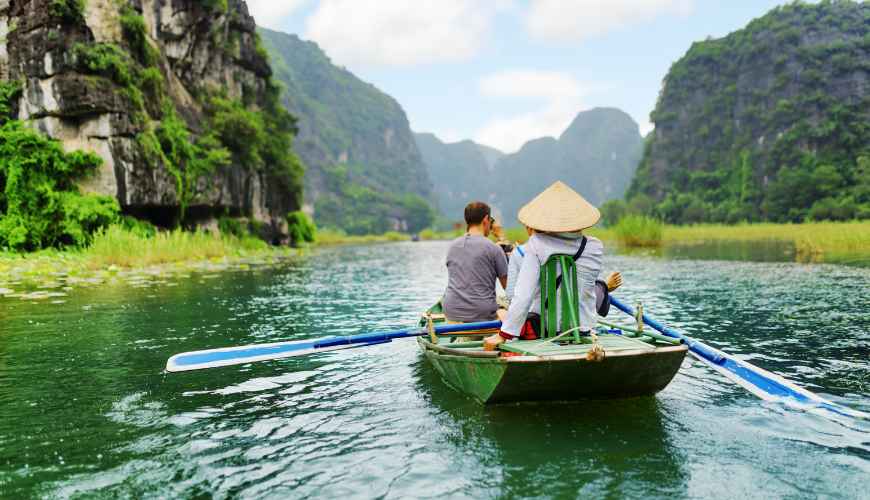
- Mekong Delta: Known as the “Rice Bowl” of Vietnam, the Mekong Delta is a labyrinth of rivers, swamps, and islands. A boat tour here offers a unique glimpse into rural Vietnamese life.
6. Cuisine and Dining
Vietnamese cuisine is world-renowned for its fresh ingredients and bold flavors. Don’t miss out on trying pho (noodle soup), banh mi (Vietnamese sandwich), and fresh spring rolls. Street food is a significant part of the culinary experience, so be sure to explore local markets and roadside stalls. For a deeper dive into the cuisine, consider taking a cooking class.
7. Cultural Etiquette
Understanding and respecting local customs is crucial when traveling. Vietnamese people are known for their hospitality and friendliness. When visiting temples, dress modestly, remove your shoes before entering, and avoid pointing your feet towards sacred objects. Learning a few basic Vietnamese phrases like “xin chào” (hello) and “cảm ơn” (thank you) can go a long way in enhancing your travel experience.
8. Travel Insurance
Investing in comprehensive travel insurance is highly recommended. It should cover medical emergencies, trip cancellations, and lost luggage. This will give you peace of mind and ensure you’re protected against unforeseen circumstances.
9. Packing Essentials
Pack according to the weather and the activities you plan to do. Lightweight, breathable clothing is ideal for the hot and humid climate, while a good pair of walking shoes is essential for exploring cities and natural sites. Don’t forget essentials like sunscreen, insect repellent, and a reusable water bottle.
10. Budgeting and Currency
The Vietnamese Dong (VND) is the local currency. While credit cards are accepted in many places, it’s advisable to carry some cash for smaller transactions and in rural areas. Budgeting depends on your travel style, but Vietnam is generally affordable. Daily expenses for a mid-range traveler can range from INR 2,000 to INR 5,000, including accommodation, food, and transportation.