From ₹29,000 ₹33,600
Vietnam Explorer: From North to South
Package Inclusions
- 2 Accommodation
- 4 Activities
- 4 Transfers
- 6 Meals
- Visa


 Accommodation
 Activities
 Transport
.png) Meal
Meal38 Result Found About Vietnam Tour Packages
From ₹29,000 ₹33,600
From ₹27,800 ₹33,000
About Vietnam Tour Packages
– Popular Destinations to Visit in Vietnam
Hanoi
Da Nang
Ho Chi Minh City
Nha Trang
Pho Quoc
– Best Places to Visit in Vietnam
Ban Gioc Waterfall | Ha Giang loop | Sapa Fansipan | Ha Long Bay | Cat Ba Island | Ninh Binh | Ba Vi | Hanoi | Hue | Da Nang | Hoi An | Nha Trang | Dalat | Ho Chi Minh City | Saigon | Mui Ne | Vung Tau | Mekong Delta | Can Tho | Con Dao | Phu Quoc
– Things to Do in Vietnam
Vietnam, with its rich history, diverse landscapes, and vibrant culture, offers a plethora of activities that cater to all types of travelers. From bustling cities to serene countryside, here are some top things to do in this captivating Southeast Asian country.
First, explore the bustling streets of Hanoi, the capital city, where ancient temples and French colonial architecture coexist with modern developments. Take a stroll around Hoan Kiem Lake, visit the historic Old Quarter, and don’t miss the Temple of Literature, Vietnam’s first university. For a unique cultural experience, watch a traditional water puppet show, which dates back to the 11th century. Hanoi is also a food lover’s paradise; indulge in the local cuisine by trying pho, bun cha, and egg coffee at street stalls and local eateries.
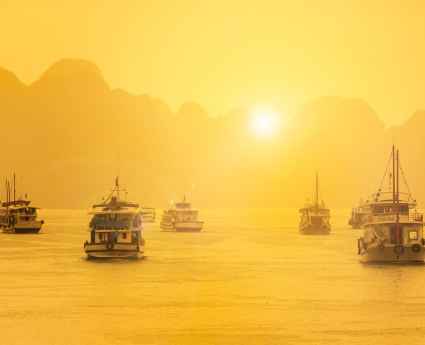
Next, head to Ha Long Bay, a UNESCO World Heritage site renowned for its emerald waters and thousands of limestone islands topped with rainforests. A cruise through this breathtaking bay offers opportunities for kayaking, exploring caves, and swimming. For an extended adventure, consider a multi-day cruise that includes stops at floating villages and other secluded spots.
Finally, venture south to Ho Chi Minh City (Saigon), a dynamic metropolis that juxtaposes modernity with tradition. Visit the War Remnants Museum and the Cu Chi Tunnels to gain insight into Vietnam’s history. The Ben Thanh Market is a bustling hub where you can shop for souvenirs, local crafts, and delicious street food. Don’t forget to take a day trip to the Mekong Delta, where you can experience the unique riverine lifestyle, visit floating markets, and enjoy the lush scenery.
From north to south, Vietnam’s diverse attractions ensure that every traveler can find something to marvel at, learn from, and enjoy. Whether you’re an adventurer, history buff, or foodie, Vietnam promises an unforgettable journey.
– Adventure Activities to Do on in Vietnam
Vietnam, a country known for its rich history, stunning landscapes, and vibrant culture, offers an array of adventure activities for thrill-seekers. Whether you’re an avid hiker, a water sports enthusiast, or someone looking to explore unique terrains, Vietnam has something exciting to offer.
One of the top adventure activities in Vietnam is trekking through the mountainous regions, especially in Sapa. Located in the northern part of the country, Sapa is renowned for its picturesque terraced rice fields, towering peaks, and vibrant ethnic minority communities. Trekking here allows you to immerse yourself in the natural beauty and cultural richness of the area. For a more challenging experience, you can attempt to conquer Fansipan, known as “The Roof of Indochina,” which stands at 3,143 meters and is the highest peak in Vietnam.
For those who love water-based adventures, Ha Long Bay is a must-visit destination. Famous for its emerald waters and thousands of limestone islands, Ha Long Bay offers opportunities for kayaking, scuba diving, and rock climbing. Exploring the bay by kayak allows you to get up close to the stunning karst formations and hidden caves. Additionally, the waters around Ha Long Bay are teeming with marine life, making it a fantastic spot for diving enthusiasts to explore underwater ecosystems.
Lastly, if you’re looking for a unique and adrenaline-pumping activity, consider canyoning in Da Lat. Known as the “City of Eternal Spring,” Da Lat is located in the Central Highlands and offers a refreshing escape from the tropical heat. Canyoning in Da Lat involves navigating through waterfalls, abseiling down cliffs, and swimming through natural pools. It’s an exhilarating way to experience the region’s beautiful landscapes and is suitable for both beginners and experienced adventurers.
In summary, Vietnam’s diverse landscapes provide a perfect backdrop for a variety of adventure activities. Whether you’re trekking in the mountains of Sapa, kayaking in the stunning Ha Long Bay, or canyoning in the scenic Da Lat, you’re sure to find an adventure that suits your interests and gives you an unforgettable experience.
– Best Food in Vietnam
Vietnam is a culinary paradise, offering a wide variety of dishes that tantalize the taste buds with their unique flavors and fresh ingredients. One of the most famous and beloved Vietnamese dishes is Pho. This aromatic noodle soup is typically made with a flavorful broth, flat rice noodles, and either beef or chicken. It’s garnished with fresh herbs like basil and cilantro, bean sprouts, lime, and chili, making it a comforting and versatile meal that can be enjoyed at any time of day. The subtle balance of sweet, spicy, salty, and sour flavors in Pho exemplifies the complexity of Vietnamese cuisine.
Another must-try dish is Banh Mi, a quintessential Vietnamese sandwich that showcases the country’s colonial history. This delectable sandwich is made with a crispy baguette, a legacy of French influence, and filled with a variety of ingredients like pate, grilled pork, pickled vegetables, fresh cilantro, and chili. The result is a perfect blend of textures and flavors, making Banh Mi a popular street food that is both affordable and satisfying. Each bite delivers a crunchy, savory, and slightly tangy experience that leaves a lasting impression.
Finally, don’t miss out on Goi Cuon, or fresh spring rolls, which are a healthier but equally delicious option. These translucent rolls are made with rice paper and filled with fresh shrimp, pork, vermicelli noodles, and a medley of herbs and vegetables. Goi Cuon is typically served with a rich and savory peanut dipping sauce that complements the fresh ingredients. This dish is not only a testament to the Vietnamese commitment to fresh and healthy eating but also to their skill in creating harmonious and vibrant flavors with minimal cooking.
These dishes are just a glimpse into the diverse culinary landscape of Vietnam. Each region has its own specialties and unique twists on traditional recipes, making Vietnam a truly exciting destination for food lovers.
– Famous Nightlife Places in Vietnam
Vietnam is a country renowned for its vibrant culture, stunning landscapes, and, notably, its bustling nightlife. From the lively streets of Ho Chi Minh City to the serene beaches of Da Nang, the country offers a variety of nightlife experiences that cater to every taste and preference.
Ho Chi Minh City, often referred to as Saigon, is arguably the epicenter of nightlife in Vietnam. The city pulsates with energy, especially in districts like Bui Vien Street and Pham Ngu Lao. Bui Vien Street, in particular, is renowned for its bars, clubs, and street performers that draw both locals and tourists. Here, you can enjoy everything from high-energy dance clubs to relaxed rooftop bars offering panoramic views of the city skyline. The street food scene adds another layer of excitement, offering an array of local delicacies to sample as you explore.
Hanoi, the capital city, also boasts an impressive nightlife scene, although it is markedly different from that of Ho Chi Minh City. The Old Quarter is the heart of Hanoi’s nightlife, where you can find an eclectic mix of traditional and modern entertainment. Ta Hien Street, often dubbed “Beer Street,” is famous for its bia hoi, or fresh beer, served at countless small bars and eateries. The area comes alive with the sounds of laughter, music, and clinking glasses, creating a vibrant yet laid-back atmosphere. For those seeking a more cultural experience, Hanoi offers night markets and traditional water puppet shows that provide a unique glimpse into Vietnamese heritage.
Da Nang and Hoi An, located along the central coast, offer a different kind of nightlife experience. Da Nang is known for its beachside bars and luxurious resorts that host lively events and parties. My Khe Beach is a hotspot where locals and tourists gather for evening beach parties complete with live music and fire shows. Hoi An, on the other hand, offers a more tranquil nightlife, with its lantern-lit streets and riverside cafes providing a romantic and picturesque setting. The Night Market in Hoi An is a must-visit, where you can shop for souvenirs, enjoy street performances, and indulge in local street food.
Overall, Vietnam’s nightlife is as diverse and dynamic as the country itself, offering something for everyone, whether you are looking for high-energy entertainment or a more relaxed evening under the stars.
– Hanoi City & Tours
– Da Nang City & Tours
– Nha Trang City & Tours
– Ho Chi Minh City & Tours
– Phu Quoc Island & Tours
– Vietnam Tour Packages
Hanoi Tour Package | Da Nang Tour Package | Ho Chi Minh City Tour Package | Sapa Tour Package | Ha Long Bay Tour Package | Cat Ba Tour Package | Ninh Binh Tour Package | Hue Tour Package | Hoi An Tour Package | Nha Trang Tour Package | Da Lat Tour Package | Mui Ne Tour Package | Vung Tau Tour Package | Mekong Tour Package | Con Dao Tour Package | Phu Quoc Tour Packages.
– Vietnam Flights
New Delhi to Hanoi Flights | New Delhi to Da Nang Flights | New Delhi to Ho Chi Minh City Flights | Mumbai to Hanoi Flights | Mumbai to Da Nang Flights | Mumbai to Ho Chi Minh City Flights | Ahmedabad to Hanoi Flights | Ahmedabad to Da Nang Flights | Ahmedabad to Ho Chi Minh City Flights | Kolkata to Hanoi Flights | Kolkata to Da Nang Flights | Kolkata to Ho Chi Minh City Flights | Chennai to Hanoi Flights | Chennai to Da Nang Flights | Chennai to Ho Chi Minh City Flights | Hyderabad to Hanoi Flights | Hyderabad to Da Nang Flights | Hyderabad to Ho Chi Minh City Flights | Bangalore to Hanoi Flights | Bangalore to Da Nang Flights | Bangalore to Ho Chi Minh City Flights | Hanoi to Da Nang Flights | Hanoi to Ho Chi Minh City Flights | Da Nang to Hanoi Flights | Da Nang to Ho Chi Minh City Flights | Ho Chi Minh City to Da Nang Flights | Ho Chi Minh City to Hanoi Flights.
– Vietnam Tour Packages From India Top Cities
Vietnam Tour Package From Kerala | Vietnam Tour Package From Kochi | Vietnam Tour Package From Hyderabad | Vietnam Tour Package From Kolkata | Vietnam Tour Package From Bangalore | Vietnam Tour Package From Mumbai | Vietnam Tour Package From Pune | Vietnam Tour Package From Ahmedabad | Vietnam Tour Package From Chennai | Vietnam Tour Package From Delhi | Vietnam Tour Package From Surat | Vietnam Tour Package From Kanpur | Vietnam Tour Package From Nagpur | Vietnam Tour Package From Jaipur | Vietnam Tour Package From Patna | Vietnam Tour Package From Lucknow | Vietnam Tour Package From Visakhapatnam | Vietnam Tour Package From Coibatore | Vietnam Tour Package From Madurai | Vietnam Tour Package From Varanasi | Vietnam Tour Package From Amritsar.
– Vietnam Visa For Indians
Traveling to Vietnam as an Indian citizen requires obtaining a visa, unless you qualify for an exemption under specific conditions. The visa process is straightforward but involves several steps to ensure compliance with Vietnam’s immigration laws. Here’s a detailed guide on Vietnam visa requirements for Indian nationals.
Firstly, Indian travelers need to decide the purpose and duration of their stay in Vietnam, as this will determine the type of visa needed. Common visa types include tourist visas, business visas, and e-visas. For a short stay, the e-visa is the most convenient option, allowing a stay of up to 30 days with a single entry. This e-visa can be applied for online through Vietnam’s official immigration website, where you need to fill out an application form, upload a passport-sized photograph, and pay the processing fee. The e-visa is usually processed within three working days, after which you can print it out and present it upon arrival in Vietnam.
For longer stays or multiple entries, Indian citizens can apply for a visa on arrival (VOA) or through a Vietnamese embassy or consulate. The VOA requires obtaining an approval letter from a Vietnamese travel agency before departure. Upon arrival at a designated Vietnamese airport, you will need to present this approval letter, your passport (valid for at least six months from the date of entry), two passport-sized photos, and the visa stamping fee in cash. Alternatively, applying for a visa at an embassy or consulate involves submitting your application form, passport, photos, and visa fee in person or by mail. It’s essential to check the specific requirements and processing times with the embassy or consulate where you intend to apply.
Overall, the process of obtaining a Vietnam visa for Indian citizens is manageable with proper preparation and adherence to the guidelines. Ensure that you have all necessary documents and information ready to avoid any delays or complications during your trip. With the correct visa in hand, you can look forward to exploring Vietnam’s rich culture, stunning landscapes, and vibrant cities.
– Vietnam Visa Documents List For Indians
If you’re planning a trip to Vietnam, securing a visa is an essential step. The exact documents required may vary depending on the type of visa and your nationality, but generally, the following is a comprehensive list of documents you might need to prepare:
Always verify the specific requirements with the Vietnamese embassy or consulate in your country, as visa regulations can change. Preparing these documents in advance will help ensure a smooth visa application process and a worry-free entry into Vietnam.
– People Also Ask About Vietnam Tour Package
Is Vietnam cheap for Indian tourist?
Vietnam is often regarded as an affordable travel destination for Indian tourists, offering a blend of cultural richness, natural beauty, and modern amenities at a relatively low cost. From accommodations to food and transportation, the expenses in Vietnam can be quite budget-friendly, making it an attractive option for Indian travelers seeking an overseas experience without breaking the bank.
Accommodations in Vietnam range from budget hostels and guesthouses to mid-range hotels and luxurious resorts, catering to various preferences and budgets. Indian tourists can find comfortable lodging options in major cities like Hanoi, Ho Chi Minh City, and Da Nang for a fraction of the cost compared to other international destinations. Additionally, local street food and eateries offer diverse and delicious meals at very reasonable prices, allowing travelers to savor authentic Vietnamese cuisine without spending excessively.
Transportation within the country is also cost-effective. Domestic flights, buses, and trains are available at affordable rates, enabling tourists to explore different regions of Vietnam conveniently. Moreover, many popular tourist attractions such as ancient temples, scenic landscapes, and vibrant markets either have low entrance fees or are free of charge. Overall, Vietnam presents a compelling destination for Indian tourists looking to experience a new culture and stunning landscapes while maintaining a budget-friendly itinerary.
Is Vietnam visa free for Indians?
As of now, Vietnam is not visa-free for Indian citizens. Indian travelers planning to visit Vietnam need to obtain a visa prior to their trip. There are a few methods available for Indian nationals to secure a visa, including applying for an e-visa online, getting a visa on arrival (which requires pre-approval), or applying through the Vietnamese embassy or consulate in India.
The e-visa option is quite popular due to its convenience. Indian travelers can apply online through the official Vietnamese government website, fill in the necessary details, and pay a fee. The e-visa is typically valid for 30 days and is a single-entry visa, meaning travelers can enter and exit Vietnam only once during the validity period.
For those opting for the visa on arrival, it’s important to note that this requires prior approval from a Vietnam-based travel agency before departure. Once the approval letter is obtained, travelers can then get their visa stamped upon arrival at certain designated Vietnamese airports. Always check the most current visa policies before planning your trip, as regulations can change.
Can I carry Indian currency to Vietnam?
Traveling abroad often brings up questions about currency and financial logistics. If you’re planning a trip to Vietnam, you might be wondering whether you can carry Indian currency (INR) with you. Technically, you can carry Indian currency to Vietnam, but it’s important to note that Indian rupees are not widely accepted or easily exchanged in Vietnam. Most currency exchange services in Vietnam primarily deal with major currencies like the US Dollar (USD), Euro (EUR), and sometimes the British Pound (GBP).
To make your travels smoother, consider exchanging your Indian rupees for US dollars or another widely accepted currency before you leave India. This will make it easier for you to exchange money once you arrive in Vietnam. Alternatively, you can use international credit or debit cards for transactions and withdraw Vietnamese Dong (VND) from ATMs, which are widely available in major cities and tourist areas.
Remember to notify your bank about your travel plans to avoid any issues with card transactions abroad. Additionally, it’s wise to carry a mix of cash and cards to ensure you have multiple options for payments. With a bit of preparation, you can navigate the financial aspects of your trip to Vietnam with ease.
Can Indians get Vietnam visa on arrival?
Yes, Indians can obtain a Vietnam visa on arrival, but there are specific steps and requirements to follow. The visa on arrival (VOA) process is only applicable for those entering Vietnam by air and involves obtaining a pre-approval letter before departure. To start, Indian travelers need to apply online through an authorized Vietnamese travel agency or visa service provider. They will need to fill out an application form and provide necessary details such as passport information, travel dates, and contact information. Additionally, a service fee is required to process the application and obtain the approval letter.
Once the application is approved, usually within 2-3 working days, the applicant will receive a visa approval letter via email. This letter must be printed and presented upon arrival in Vietnam, along with a completed visa application form, two passport-sized photos, and the visa stamping fee in cash (USD is preferred). At the airport, travelers will proceed to the VOA counter, where they will submit their documents and pay the stamping fee. After processing, they will receive their visa sticker and be allowed to enter Vietnam.
It is important to note that while the VOA process is straightforward, it is crucial to ensure all documents are in order and that the pre-approval letter is obtained before departure. Without the approval letter, travelers will not be allowed to board their flight to Vietnam. For those preferring a more traditional approach, Indian citizens can also apply for a Vietnam visa at the Vietnamese Embassy or Consulate in India.
Which tour is best for Vietnam?
Choosing the best tour for Vietnam largely depends on your interests, budget, and the amount of time you have to explore this captivating country. For nature enthusiasts and adventure seekers, a tour that includes a visit to Ha Long Bay is a must. This UNESCO World Heritage site is renowned for its emerald waters and thousands of towering limestone islands topped with rainforests. Many tours offer options for kayaking, rock climbing, and overnight cruises on traditional junk boats, providing a truly immersive experience.
History buffs and culture aficionados might prefer a tour that focuses on Vietnam’s rich historical and cultural heritage. A popular route includes the cities of Hanoi, Hue, and Hoi An. In Hanoi, the capital city, you can explore the Old Quarter, visit the Ho Chi Minh Mausoleum, and enjoy traditional water puppet shows. Hue, the former imperial capital, offers a glimpse into the country’s regal past with its ancient citadel and royal tombs. Hoi An, a well-preserved ancient town, provides a charming blend of history, culture, and cuisine, with its lantern-lit streets, bustling markets, and delectable street food.
For those looking for a mix of everything—nature, history, culture, and relaxation—a comprehensive tour from north to south could be ideal. Such a tour might start in Hanoi, move through the central regions of Hue and Hoi An, and conclude in the bustling metropolis of Ho Chi Minh City (Saigon). This southern city offers a contrasting experience with its vibrant nightlife, historic landmarks like the Cu Chi Tunnels, and nearby excursions to the Mekong Delta, where you can experience the unique riverine lifestyle. With its diverse landscapes and rich tapestry of experiences, Vietnam has something to offer every traveler, making it important to choose a tour that aligns with your personal interests and travel style.
Which month is best for Vietnam tour?
Choosing the best month for a Vietnam tour largely depends on the regions you plan to visit and the kind of experience you seek. Vietnam’s climate varies significantly from North to South, offering diverse weather patterns throughout the year. However, a generally favorable time to visit Vietnam is during the spring (February to April) and autumn (August to October).
During the spring months, the entire country experiences mild temperatures and relatively low humidity. In the North, including Hanoi and Ha Long Bay, you can expect cool and comfortable weather, ideal for exploring the scenic landscapes and cultural sites. Central Vietnam, encompassing Hue, Da Nang, and Hoi An, enjoys pleasant temperatures and less rainfall, perfect for beach activities and sightseeing. The South, including Ho Chi Minh City and the Mekong Delta, remains warm but not overly hot, making it a great time to discover the vibrant cities and lush delta regions.
Autumn is another excellent period to visit Vietnam. From August to October, the weather is generally stable and enjoyable. Northern regions start to cool down, providing clear skies and a refreshing atmosphere. Central Vietnam might still experience some rain in August, but by September and October, the weather becomes more agreeable. The South remains consistently warm, with occasional showers that usually do not disrupt travel plans.
Ultimately, the best month for your Vietnam tour hinges on your specific preferences and destinations. Whether you’re looking to trek the mountains in Sapa, relax on the beaches of Nha Trang, or immerse yourself in the bustling life of Ho Chi Minh City, planning your visit during the spring or autumn months will likely offer the most pleasant and memorable experience.
How many days in Vietnam is enough?
Determining the ideal number of days to spend in Vietnam depends largely on your interests, budget, and the types of experiences you seek. However, for a well-rounded visit that allows you to experience the country’s diverse landscapes, rich history, and vibrant culture, a stay of around 10 to 14 days is often recommended. This timeframe enables you to explore several key destinations without feeling rushed.
In a 10-14 day itinerary, you could start in the bustling capital of Hanoi, where you can immerse yourself in the city’s ancient architecture, vibrant street markets, and rich history. From there, a trip to the stunning Halong Bay for a cruise among the limestone karsts is a must. Moving south, you could visit the historic city of Hue, explore the charming ancient town of Hoi An, and enjoy the beaches and nightlife in Da Nang. Finally, ending your journey in Ho Chi Minh City offers a glimpse into the dynamic urban life and modern history of Vietnam.
Of course, if you have more time, you can delve deeper into Vietnam’s lesser-known regions, such as the picturesque highlands of Sapa, the serene Mekong Delta, or the pristine beaches of Phu Quoc Island. Conversely, if your time is limited, a shorter visit focusing on one or two regions can still provide a memorable and enriching experience. Ultimately, the right amount of time in Vietnam is a balance of what you hope to see and do, ensuring you leave with a true sense of the country’s beauty and culture.
How should I pack for a Vietnam holiday?
Packing for a Vietnam holiday requires a mix of practicality and preparation for diverse weather conditions and activities. Firstly, consider the climate; Vietnam has three distinct regions with varying weather patterns. In the north, you may encounter cooler temperatures, especially in the winter months, while the central and southern regions are generally warmer and more humid. Therefore, pack lightweight, breathable clothing for the warmer regions, and include a few layers such as a light jacket or sweater for cooler northern areas or evening outings. Don’t forget a good raincoat or umbrella, as Vietnam is known for sudden downpours, particularly during the rainy season.
Next, think about the activities you plan to undertake. If you’re planning to explore cities like Hanoi or Ho Chi Minh City, comfortable walking shoes are a must, as you’ll spend a lot of time on your feet. For beach destinations like Da Nang or Nha Trang, pack swimwear, sunblock, a hat, and sunglasses. If trekking in Sapa or visiting rural areas is on your itinerary, sturdy hiking boots, insect repellent, and appropriate outdoor gear will be essential. Additionally, modest clothing is advisable when visiting temples or religious sites, so include items that cover your shoulders and knees.
Lastly, ensure you pack essential travel items and documents. These include a valid passport with any necessary visas, copies of important documents, travel insurance, and a small first aid kit with basic medications. Don’t forget essentials like a travel adapter for your electronics, a power bank, and any toiletries you prefer. Vietnam is generally well-connected, but having a local SIM card or a portable Wi-Fi device can be beneficial for staying connected and navigating. With thoughtful packing, you’ll be well-prepared to enjoy the rich culture, stunning landscapes, and vibrant energy of Vietnam.
Can I use my Indian driver’s license in Vietnam?
While traveling to Vietnam, you may wonder if your Indian driver’s license will be valid for driving in the country. Unfortunately, an Indian driver’s license alone is not sufficient to drive legally in Vietnam. Vietnam has specific regulations regarding foreign drivers, and typically, a local Vietnamese driving license is required for both residents and visitors who wish to drive in the country.
However, there are ways for foreign nationals to drive legally in Vietnam. One option is to obtain an International Driving Permit (IDP) before your trip. An IDP, issued in your home country, translates your driver’s license into multiple languages and is recognized in many countries worldwide, including Vietnam. It’s important to note that the IDP is valid only when presented along with your original Indian driver’s license. Nonetheless, even with an IDP, you may still need to go through additional procedures, such as registering the permit with local authorities or obtaining a temporary Vietnamese driving license.
For long-term stays or if you plan to live in Vietnam, converting your Indian driver’s license to a Vietnamese one might be necessary. This process usually involves submitting various documents, such as your original license, a notarized translation of the license, passport, visa, and a medical certificate. The requirements can vary slightly depending on your location within Vietnam, so it’s advisable to check with the local Department of Transport for the most accurate information. To ensure a smooth experience, consider consulting with an agency or a legal expert who can assist you with navigating the local regulations and procedures.
Can I use Indian debit cards in Vietnam?
Yes, you can generally use Indian debit cards in Vietnam, but there are a few important considerations to keep in mind. First, ensure that your debit card is enabled for international transactions. Many Indian banks require customers to specifically request this service, so it’s wise to check with your bank beforehand. Additionally, international transactions may incur fees, so it’s a good idea to understand the fee structure to avoid any surprises.
When using your debit card in Vietnam, it is advisable to look for ATMs that are part of global networks such as Visa, MasterCard, or Cirrus. These ATMs are more likely to accept your Indian debit card. However, it’s always good practice to carry some local currency (Vietnamese Dong) as well, because not all establishments will accept card payments, especially in more remote areas or smaller businesses.
Lastly, inform your bank about your travel plans to prevent your card from being flagged for suspicious activity, which could lead to it being temporarily blocked. It’s also smart to have a backup payment method, such as a credit card or some extra cash, in case you encounter any issues with your debit card. With these precautions, you should be able to enjoy a smooth and hassle-free financial experience during your travels in Vietnam.